Our History
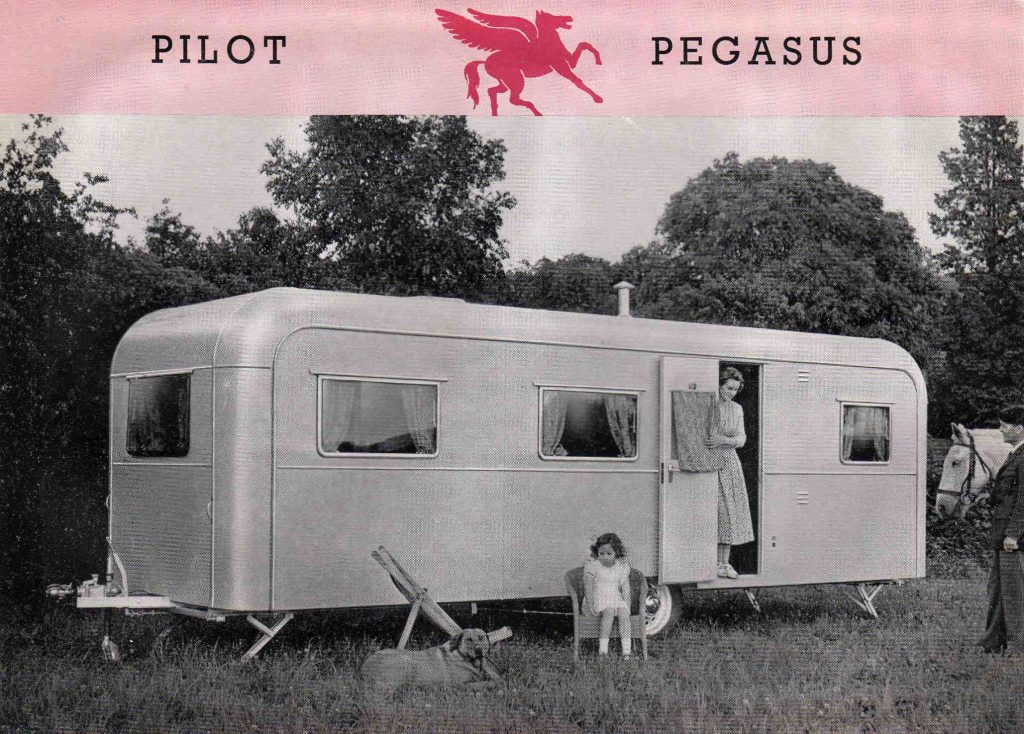
Established in 1938
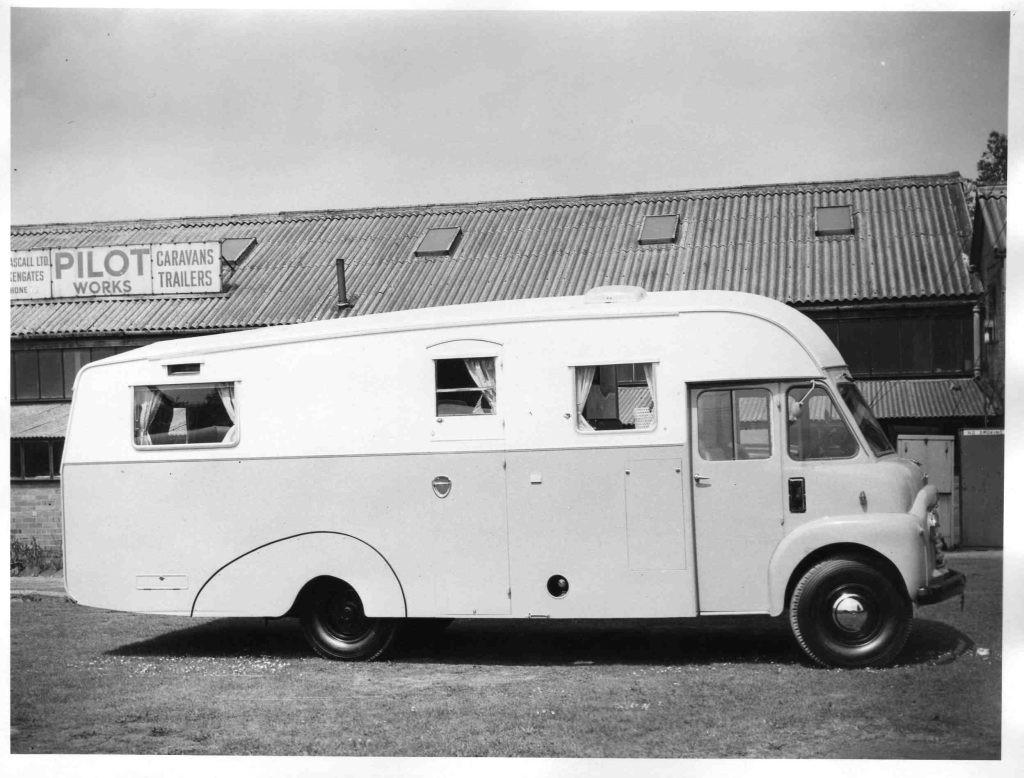
Trading under its original name of Pilot Caravans, the company was established in 1938 and manufactured high quality caravans. The coach built construction lent itself to being customised and used for commercial applications such as mobile clinics, X-Ray units, libraries and hospitality units.
During the war years caravan production changed to small lorry conversions for the military but in 1945 bounced back with the production of more Pilot Caravans.
1950s
Motorised caravans were introduced alongside the ‘Pilot’ caravans and in 1954 one of the first exhibition caravans was produced for Morton Exhibitions, retailing at £285.
Shortly after, other exhibition trailers were produced for a diverse range of clients such as Spillers Animal Foods, Potato Marketing Board and the Borough of Battersea Council.
Outside events and agricultural shows were becoming regular features of the exhibition calendar, paving the way for mobile exhibition trailers and hospitality units.
1960s
The sixties saw a number of changes with MR Pascall selling the company to a major caravan sales organisation ‘Gailey Caravan Group’ in 1961.
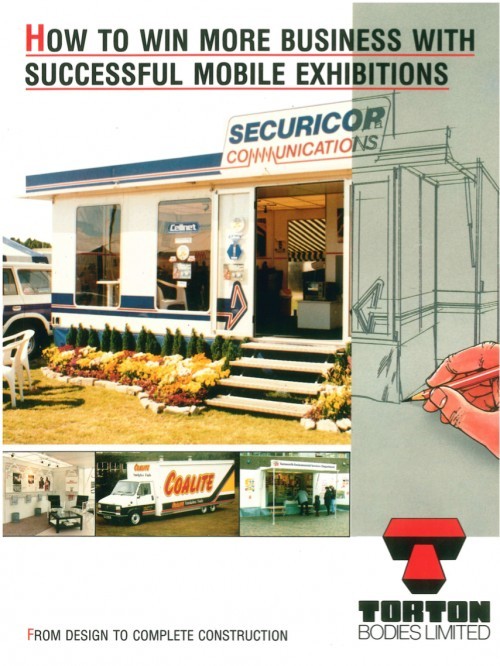
Gailey split the business into two sections, retaining the mass produced caravan sales as one company and the custom built exhibitions, formally Pilot Caravans, became Torton Bodies Limited.
A major change in the company’s management and product range came about in 1967, Tom Andrews joined Torton as General Manager with the brief to update the manufacturing processes and introduce new products to suit the changing market.
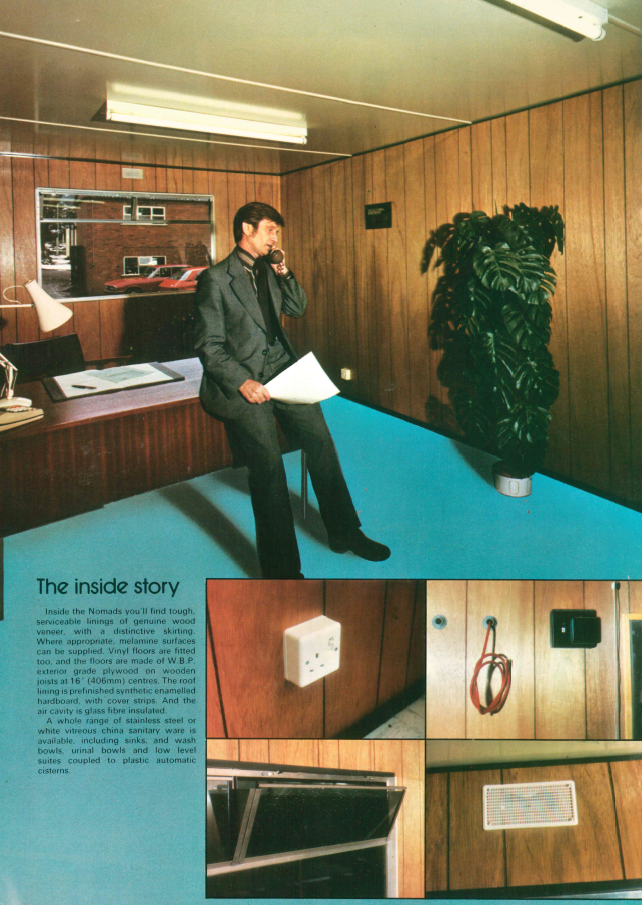
Tom designed and put into production a budget range of General Purpose site accommodation trailers aimed at the construction market in addition to a functional mobile exhibition unit which effectively looked like a show stand rather than the typical ‘converted caravan’ which was becoming a popular sight at show grounds.
The ‘G.P.’ range was an instant hit with companies such as Tarmac and McAlpines amoungst its clients.
1970s
The bespoke caravan market had diminished but the exhibition side remained buoyant. Tom Andrews looked at the market place and set about designing an exhibition stand rather than a converted caravan for the corporate world and as a result the Torton Expo’ was produced. Specialist trailers such as X Ray, Libraries and Clinics were also added to the range.
Shortly after the launch of the Expo in 1971, a legged version of the G.P. followed for longer term building projects where mobility was not an issue.
The ‘Nomad’ was very successful, as construction of major
motorways and houses were booming. In 1971, Pickering Plant, part of Bloor Homes, purchased their first G.P. to use as an office but the following day, they had hired it out so needed another. Over the next 18 years, they took the equivalent of at least one G.P. every working week, before the market hit a major slowdown in 1990.
Torton also appointed a sole agent in Mercian Site Equipment to sell its Nomad brand, a relationship that also lasted some 20 years.
Torton’s largest single order came from British Rail in 1974 for 77 welfare trailers, which led to an extra 20 being ordered in 1980.
Towards the end of the 70s, Torton developed its G.P. range for overseas and this led to over 70 Torton 7m trailers going into Saudi Arabia for clients such as GEC, Marconi, Cable & Wireless and Telephone Cables.
More specialist markets were sourced and in 1979, Torton partnered with Radiographic Supplies Ltd (RSL) to market a range of mobile NDT Darkrooms.
The 80's
In 1982, Tom Andrews headed a management buyout with the Works Manager, Bill Millard and Sales Manager, Clive Andrews. This succesfully, allowed Torton to expand its production facilities with new offices, paintshop and one third extra workshop area. Something Gailey Group were not prepared to invest in.
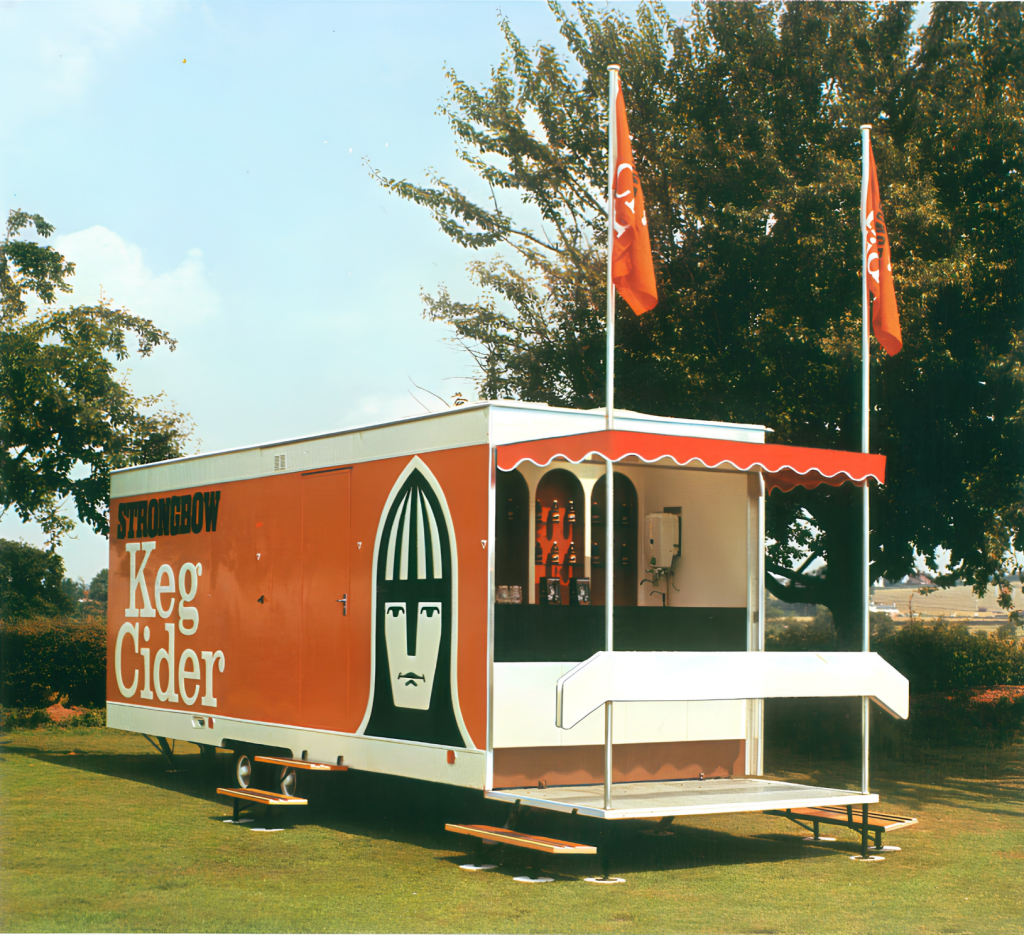
The eighties saw a good mix of all ranges and included such prestigious clients as TSB Bank, Potato Marketing Board, Cable and Wireless, British Wool Marketing Board, Bulmers Cider and Central Office of Information.
It also led to new products such as hydraulic demounts, demountable vehicle bodies, double storey articulated trailes, lead lined darkrooms for the MOD (still in use in today and the first motorised self drive dental clinic, rather than previous trailer versions.
Torton also started to manufacture their own chassis in 1983 to improve quality and took on extra premises for this. They also developed the turntable chassis for its exhibition range in 1984 which drivers loved for its stability.
1986 saw the launch of Torton’s Exhibition Management Service with a fleet of Landrovers towing trailers for a government initiative ‘Monergy 86’. This together with other contacts from The Electricity Council and Department of Employment had Torton’s vehicles traveling the length and breadth of the UK. This service has expanded, year on year.
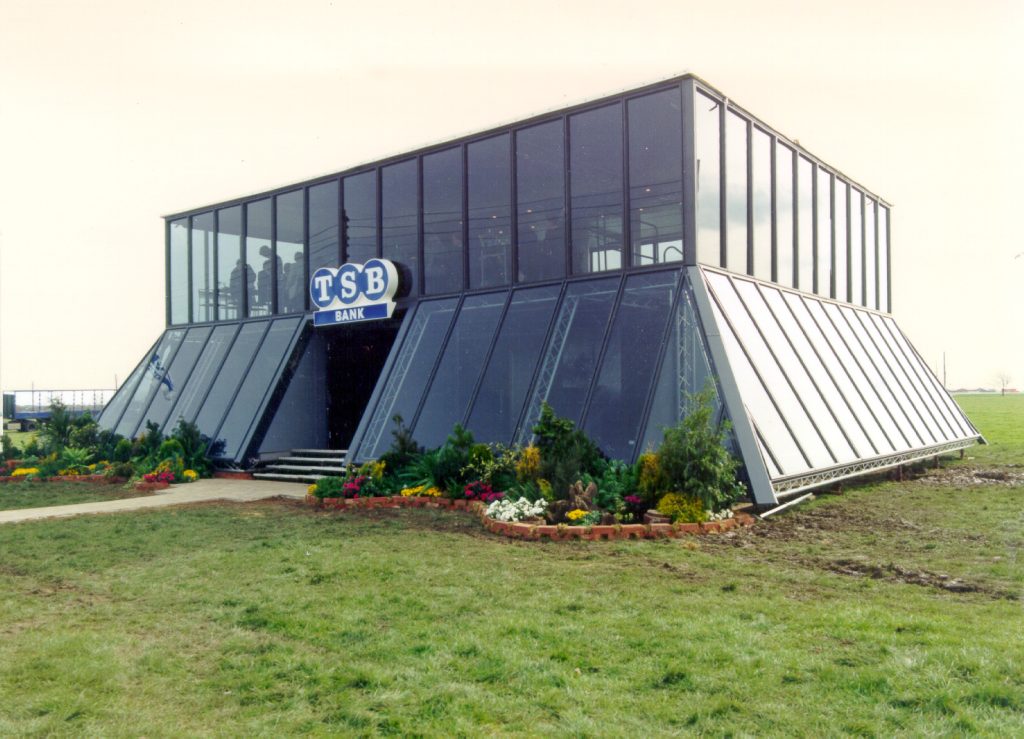
Torton finished the eighties with one of the most complicated trailers they had built being a double storey. glazed articulated hospitality suite for the TSB Bank. Torton were chosen for this due to the design and build success of four 7m promotional trailers a few years earlier.
1990s
Torton developed their own turntable chassis to a new step frame design which made access lower and also enabled wheelchair access. This was an instant success and led to many orders, especially with the car manufacturers.
In 1991 Torton ventured into hire of their exhibition trailers and this allowed them to produce new designs and expanded the transport management side. It also helped clients that didn’t want ownership for the events they exhibited at.
By this time, the G.P. and Nomad range were a small percentage of Torton’s production due to a big downturn in construction but the increase in exhibitions and clinics filled the void.
Torton developed new designs and produced, hydraulic demountable Post Offices (1993) which were used right up to 2020.
Torton implemented BS-5750 Quality Assurance procedures into the organisation and were awarded certification in 1994. This has changed over the years to ISO-9001 which they still hold today.
In the late nineties, Torton exported a number of trailers into such areas as Russia, Poland, Israel and Germany and it also designed and built its first articulated ‘Cooking Bus’ as part of a Government initiative to tour around schools and teach healthy eating.
In 1997 the licensing laws changed with new drivers only being able to tow smaller trailers and only able to drive vehicles up to 3,500kgs. The tachograph exemption was also removed for exhibition trailers. Adapting to these changes Torton developed a greater number of small clinics and exhibitions.
2000s
A big change came in 2000 when Torton consolidated its transport depot, welding / chassis shop and storage yard into one new facility at Hortonwood, just 3 miles from Pilot Works. This enabled Torton to expand its hire and transport operation as well as its repair, service, refurbishment and graphic application.
In 2001 Clive Andrews took over the running of the company as Managing Director and in 2002 the Hortonwood factory was doubled in size to accommodate the increase in business.
New products were introduced and 15 motorised job centres were produced for Department of Employment.
This increased to a total of 28 with an additional 9 advice centres for the Inland Revenue.
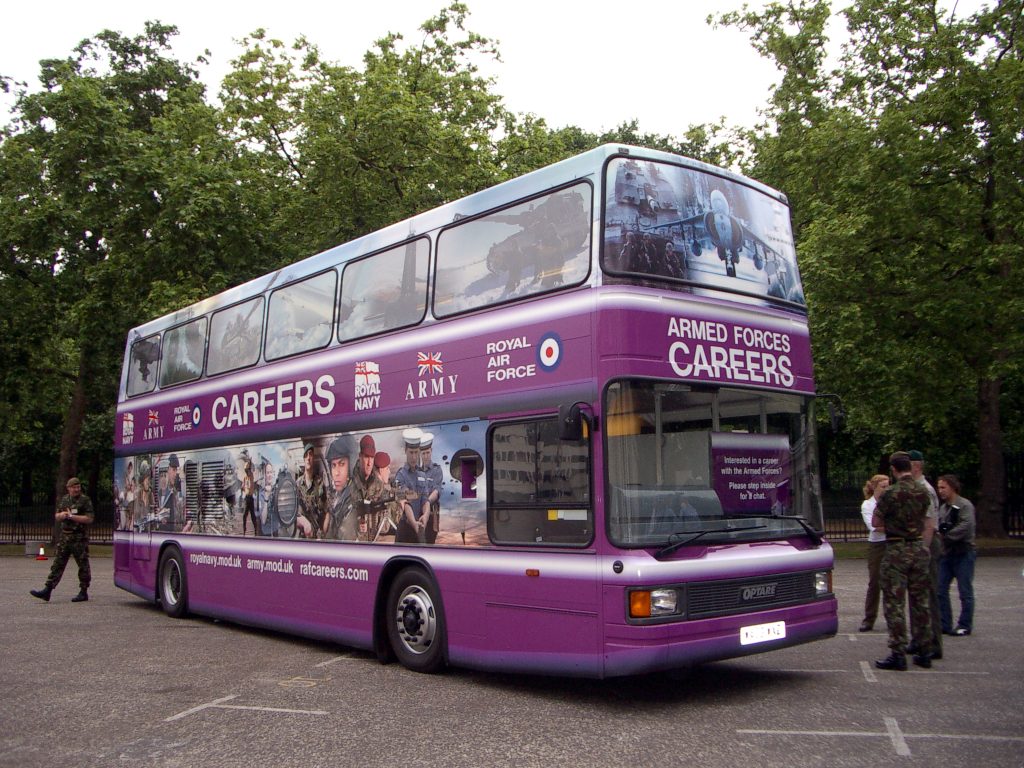
Buses were also in favour with Torton fitting out a number of these for the likes of BBC, Meridian TV. Navy Recruitment and Macmillan Cancer Care. In 2007 Torton also supplied an articulated dental clinic to the Greek authorities, being the first of a number of medical units exported to them.
In 2008, Torton obtained its own International Operators Licence together with 4 new lorries which again expanded its transport operation.
2010s
In 2013, VOSA phased in the Type Approval of trailers, motorised and articulated trailers. Due to the complex builds Torton produce every unit has to be individually tested and a certificate issued.
A tri axle 7m trailer for Greece was one of the first trailers to be tested and passed which meant it was far easier for Torton to export this product as Europe had always had its own registration and testing system so it bought the UK in line.
Torton also exported dental clinics to the Seychelles in 2014 to support its school education program.
2014/16 was a busy time for the car companies and Torton produced new trailers for Jaguar Landrover (8).
Volvo (4), Honda (2), Hyundai (2), BMW, Renault, Mini and Suzuki.
2016 also saw an influx of enquiries for libraries, a market that Torton had previously withdrawn from. Using light weight materials, Torton came up with a new motorised 7,200kgs design that could still carry 2 tonne of books, being more than ample. This was extremely well received and led to a large number being built.
They also developed their own shelving system and a disabled lift into the step arrangement to alleviate the now outdated step lift.
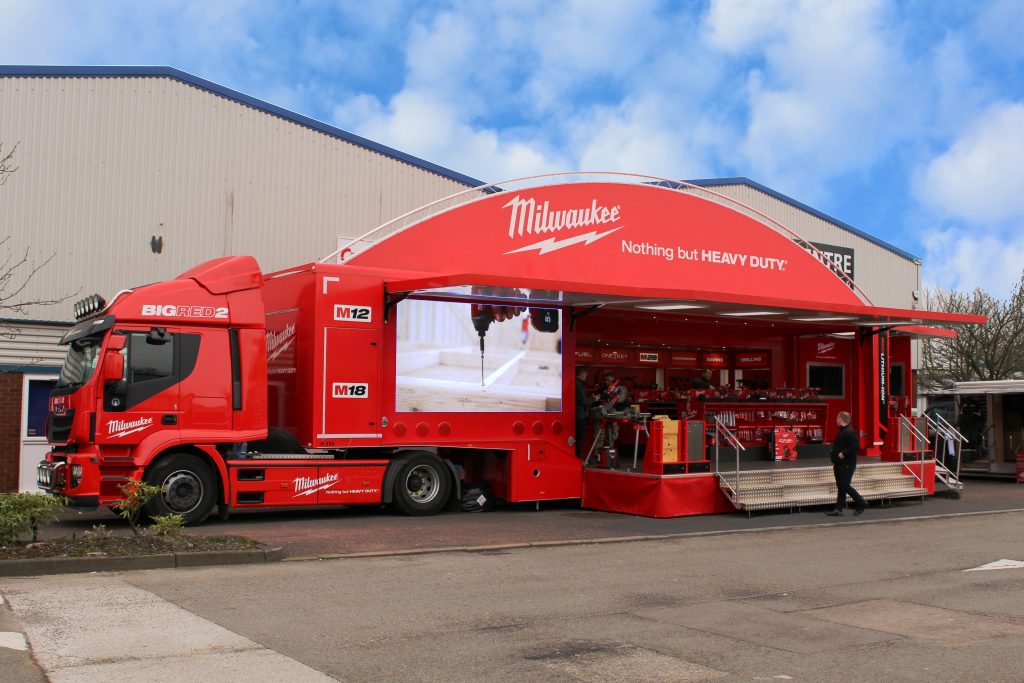
The end of 2016 saw the design and build of the biggest trailer for Torton’s hire fleet being a fully automated articulated trailer for its client TTI Milwaukee to display its ranges of power tools and accessories. Torton customised one of their own lorries for this road show which visits all European countries. This build ran alongside other articulated builds for York Hospital and NI Blood Transfusion Service, both of these orders being placed with Torton from previous similar builds.
Today
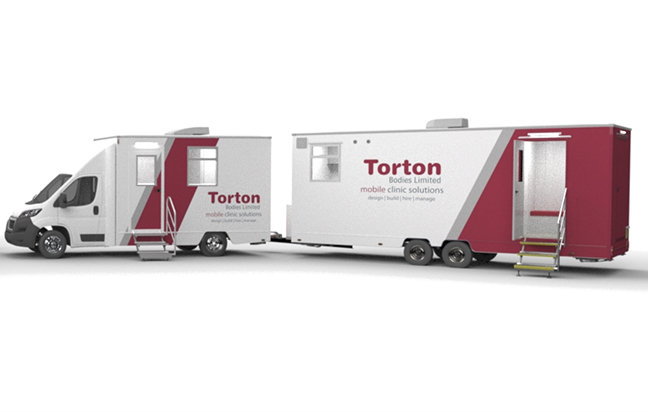
These innovative designs incorporated folding floor and roof extensions, with roll out pods that almost trebled the average floor area. These designs led the way and were an instant success with numerous Blue Chip companies and local authorities. The fold out and roll out features still form the basis of most designs today and now incorporate hydraulic and gas assisted strut operation if required.
With nearly 80 years of experience in the manufacture of mobile exhibition units, Torton are leaders in their field. We are one of the few companies who provide a complete one-stop-shop service. From design & build, through to full operation and management, taking units from venue to venue, as well as servicing, valeting, refurbishment and repair.
Our Clients





Accreditations